

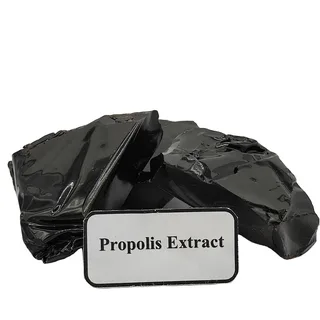
Propolis has long been valued as one of nature’s most powerful protective substances. Produced by bees from plant resins, it serves as a natural sealant and antimicrobial shield inside the hive. Today, it’s widely used in supplements, tinctures, and skincare products for its potential health benefits.
But many people are now asking: Black Propolis vs. Regular Propolis: What’s the Difference? While both come from bees, their composition, origin, and benefits can vary significantly. Let’s explore how they compare.
What Is Propolis?
Propolis is a sticky, resin-like substance that honeybees collect from tree buds and plant sources. Bees mix this resin with enzymes and beeswax to create a compound used to:
- Seal cracks in the hive
- Protect against bacteria and fungi
- Maintain a sterile environment
For humans, propolis is valued for its potential antioxidant, antimicrobial, and immune-supporting properties.
What Is Regular Propolis?
Regular propolis (often brown or amber in color) is the most common type found worldwide. Its composition depends on local plant sources, which means propolis from Europe may differ slightly from that in Asia or North America.
Key Characteristics of Regular Propolis:
- Brown to dark amber color
- Rich in flavonoids and phenolic compounds
- Commonly used in tinctures, capsules, and throat sprays
- Supports general immune health
Regular propolis is well-studied and widely available, making it a popular choice for everyday wellness support.
What Is Black Propolis?
Black propolis is darker in color and often sourced from specific regions where bees gather resin from particular plants. In many cases, it is associated with tropical regions and unique botanical origins.
Key Characteristics of Black Propolis:
- Very dark brown to nearly black color
- Higher concentration of certain bioactive compounds
- Often considered more potent
- Frequently used in concentrated extracts
The darker color usually indicates a different resin source, which can influence its chemical profile and potential benefits.
Black Propolis vs. Regular Propolis: What’s the Difference?
When comparing Black Propolis vs. Regular Propolis: What’s the Difference?, the answer lies mainly in three areas:
1. Botanical Source
The plants available to bees determine the chemical composition of propolis.
- Regular propolis typically comes from poplar trees and similar plants.
- Black propolis often comes from distinct tropical plant species.
Different plants mean different bioactive compounds.
2. Chemical Composition
Both types contain:
- Flavonoids
- Phenolic acids
- Antioxidants
However, black propolis may contain higher concentrations of specific compounds, depending on its source. This can result in stronger antioxidant or antimicrobial activity.
3. Potency and Usage
Regular propolis is commonly used for:
- Daily immune support
- Sore throat relief
- Oral health
Black propolis is often marketed as:
- More concentrated
- More potent
- Ideal for targeted immune support
That said, potency can vary by brand and extraction method, not just by color alone.
Which One Should You Choose?
If you’re still wondering, Black Propolis vs. Regular Propolis: What’s the Difference?, the best choice depends on your needs:
- For everyday wellness → Regular propolis may be sufficient.
- For stronger, concentrated formulas → Black propolis might be preferred.
Always check for:
- Standardized extracts
- Third-party testing
- Clear sourcing information
Quality matters more than color.
Final Thoughts
So, when it comes to Black Propolis vs. Regular Propolis: What’s the Difference?, the primary distinctions lie in their botanical origins, chemical profiles, and potential potency. Both offer impressive natural benefits, but black propolis may provide a more concentrated profile depending on its source.
Ultimately, choosing between them isn’t about which is “better” — it’s about which one aligns best with your personal wellness goals.
