

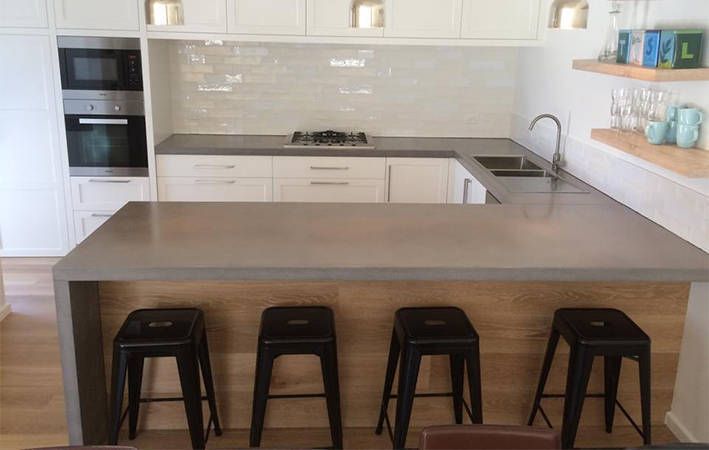
When it comes to designing or renovating your kitchen, selecting the right benchtop material is one of the most important decisions you’ll make. The benchtop not only defines the aesthetic appeal of your kitchen but also impacts its functionality and durability. Choosing the perfect kitchen benchtop material for your home requires balancing style, practicality, and budget. This article will guide you through some of the most popular benchtop materials and what you should consider before making your decision.
Key Factors to Consider When Choosing a Kitchen Benchtop Material
Before diving into specific materials, it’s essential to evaluate a few key factors that will help narrow down your options. Here are some important considerations:
1. Durability
The kitchen benchtop is one of the most heavily used surfaces in the home. From meal prep to cleaning and storage, it endures a lot of wear and tear. Choose a material that is durable enough to withstand daily use without showing signs of damage quickly.
2. Maintenance
How much time and effort are you willing to spend on maintenance? Some materials require regular sealing or cleaning, while others are low-maintenance and resistant to stains and scratches. Consider how much time you want to invest in keeping your benchtop looking pristine.
3. Aesthetic Appeal
Your kitchen benchtop should complement the overall design and style of your kitchen. Whether you prefer a sleek modern look, a rustic vibe, or something more traditional, the right material can enhance the atmosphere of your cooking space.
4. Budget
The cost of materials varies widely, and choosing the perfect kitchen benchtop material for your home will depend heavily on your budget. Some materials are more affordable, while others come with a higher price tag but offer superior quality and long-term value.
Popular Kitchen Benchtop Materials
Now that you know what factors to consider, let’s explore some of the most popular materials available for kitchen benchtops.
1. Granite
Granite is a classic choice for kitchen benchtops, known for its luxurious appearance and long-lasting durability. It is available in a wide range of colors and patterns, making it easy to find the perfect fit for your kitchen. Granite is heat and scratch-resistant, but it does require periodic sealing to prevent staining.
Pros:
- Durable and long-lasting
- Heat-resistant
- Adds value to your home
Cons:
- Requires regular sealing
- Can be expensive
2. Quartz
Quartz benchtops are a popular alternative to natural stone, offering the beauty of stone without the maintenance. Made from engineered stone, quartz is non-porous, meaning it is resistant to staining and bacteria buildup. It’s also available in a wide range of colors and patterns, making it versatile enough to match any kitchen style.
Pros:
- Low-maintenance
- Highly durable
- Non-porous and hygienic
Cons:
- Can be expensive
- Susceptible to heat damage
3. Laminate
Laminate is a budget-friendly option for those looking to save money without compromising on style. Available in a vast array of colors, patterns, and textures, laminate can mimic the look of more expensive materials like wood or stone. While not as durable as stone-based materials, it is relatively resistant to stains and scratches.
Pros:
- Affordable
- Variety of colors and styles
- Low-maintenance
Cons:
- Prone to scratching and chipping
- Can warp over time if exposed to moisture
4. Timber
Wooden benchtops bring warmth and natural beauty to any kitchen. Timber is a versatile material that can complement both modern and rustic designs. However, it requires proper maintenance, including regular oiling to maintain its appearance and prevent damage from moisture.
Pros:
- Warm, natural aesthetic
- Can be sanded and refinished
- Ideal for a rustic or country-style kitchen
Cons:
- Requires regular maintenance
- Can be prone to scratches and stains
5. Concrete
Concrete benchtops are increasingly popular in modern and industrial-style kitchens. This material is customizable, allowing for unique designs and textures. Concrete is highly durable and heat-resistant, but it may require sealing to prevent stains and water absorption.
Pros:
- Customizable
- Heat-resistant and durable
- Modern, industrial look
Cons:
- Requires sealing
- Can crack over time if not maintained properly
Conclusion: Finding the Perfect Benchtop Material for Your Kitchen
Choosing the perfect kitchen benchtop material for your home is a balance of aesthetics, practicality, and budget. Consider factors like durability, maintenance, and the overall design of your kitchen to make an informed decision. Whether you opt for the luxury of granite, the low-maintenance ease of quartz, or the affordable charm of laminate, there’s a material out there that will suit your needs and style.
