

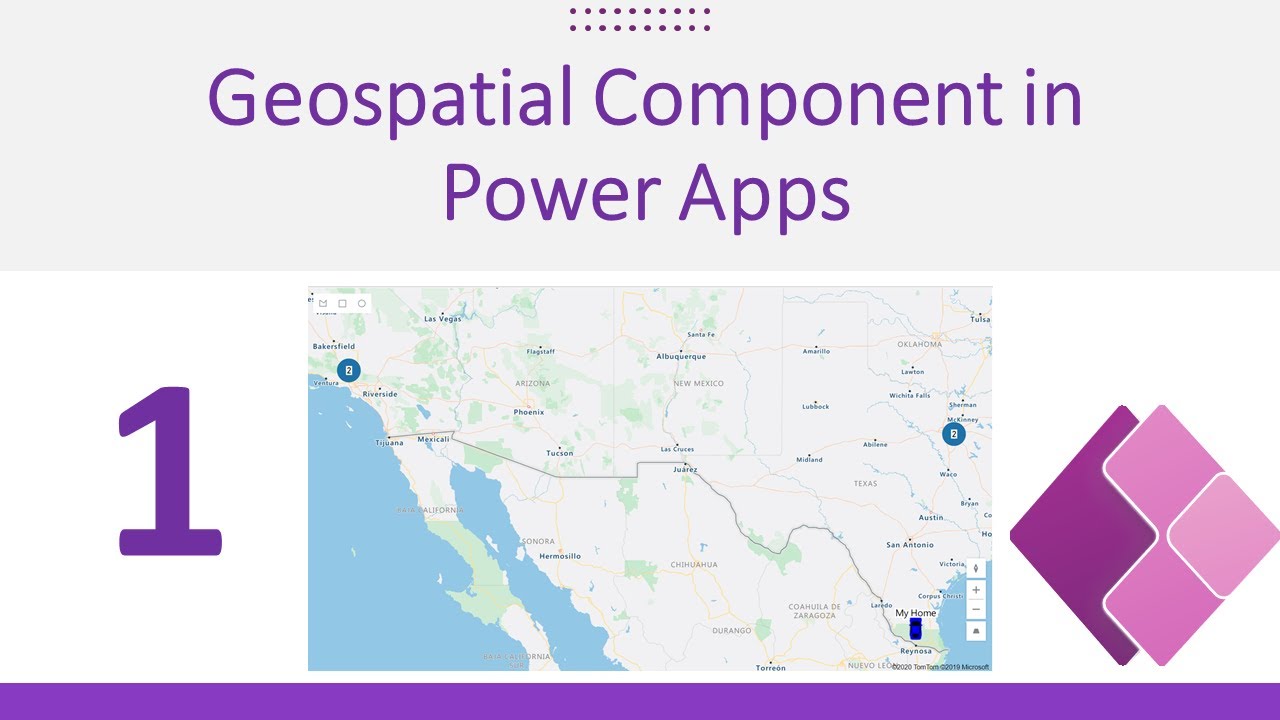
Public health research has evolved dramatically over the past few decades, thanks to advancements in technology and data analysis. One of the most transformative tools in this field is geospatial mapping. By visualizing and analyzing spatial data, researchers can gain insights into disease patterns, environmental risks, and healthcare accessibility, ultimately leading to better health outcomes.
Understanding Geospatial Mapping
Geospatial mapping involves the collection, analysis, and visualization of data related to geographic locations. Using tools like Geographic Information Systems (GIS), researchers can overlay various datasets to uncover patterns and relationships that are not immediately visible in traditional data analysis. These maps can display everything from disease outbreaks to vaccination coverage, providing a powerful tool for decision-makers in public health.
Applications in Public Health Research
Tracking Disease Outbreaks
One of the most impactful applications of geospatial mapping in public health research is tracking disease outbreaks. By mapping the spread of illnesses such as influenza, COVID-19, or vector-borne diseases like malaria, researchers can identify hotspots and predict future outbreaks. This allows public health authorities to allocate resources efficiently and implement targeted interventions.
Environmental Health Studies
Geospatial mapping also plays a critical role in environmental health research. Researchers can study the relationship between environmental factors—such as air pollution, water quality, or proximity to industrial areas—and health outcomes in nearby populations. These insights help in developing policies that reduce exposure to harmful environmental conditions.
Health Services Accessibility
Another important aspect is evaluating healthcare accessibility. By mapping healthcare facilities and population density, researchers can identify areas where residents have limited access to essential medical services. This helps in planning new healthcare infrastructure and improving equitable access to care.
Benefits and Challenges
The impact of geospatial mapping on public health research is profound. It enhances data visualization, improves decision-making, and enables predictive modeling. However, there are challenges, including data privacy concerns, the need for technical expertise, and the integration of diverse datasets.
Future Directions
As technology continues to advance, the integration of real-time data, mobile health applications, and artificial intelligence with geospatial mapping will further revolutionize public health research. The ability to rapidly analyze and respond to health threats will improve population health outcomes on a global scale.
Conclusion
The impact of geospatial mapping on public health research cannot be overstated. From tracking disease outbreaks to assessing environmental risks and healthcare accessibility, geospatial tools provide invaluable insights that guide public health interventions. As these technologies continue to evolve, they will remain a cornerstone of effective, data-driven public health strategies.
