

In today’s fast-paced world, accurate navigation and mapping are crucial for everything from urban planning to disaster management. Enhancing navigation and mapping with geospatial technology has emerged as a transformative approach, providing tools and solutions that improve spatial awareness and decision-making.
Understanding Geospatial Technology
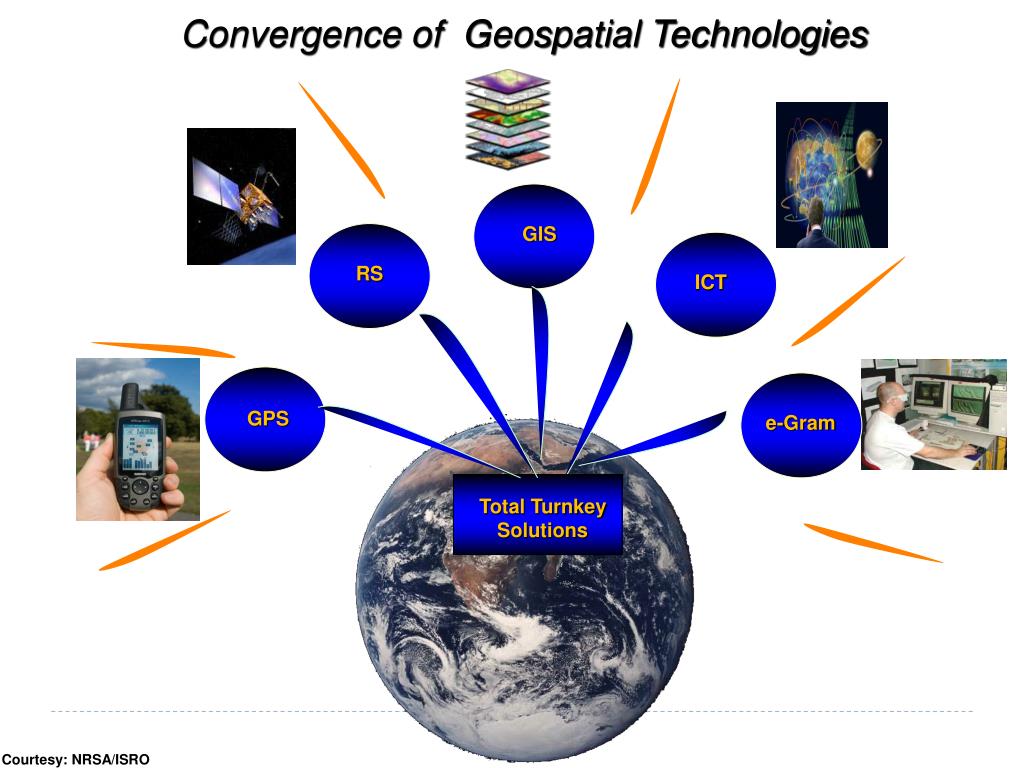
Geospatial technology refers to the tools and techniques used to collect, analyze, and interpret geographic data. This includes Geographic Information Systems (GIS), Global Positioning Systems (GPS), remote sensing, and mapping software. These technologies allow organizations and individuals to visualize spatial relationships, monitor environmental changes, and plan efficiently.
By integrating geospatial data with advanced analytics, users can make smarter decisions about transportation routes, land use, and infrastructure development.
Applications in Navigation
One of the most significant impacts of geospatial technology is on navigation. Modern GPS systems rely on satellite data to provide real-time positioning, while mapping applications offer route optimization and traffic analysis. By enhancing navigation and mapping with geospatial technology, industries like logistics, aviation, and maritime transport can significantly reduce travel time and fuel consumption.
Moreover, navigation applications are no longer limited to roads. Hikers, pilots, and marine navigators can access precise maps and topographical information to ensure safety and efficiency in their journeys.
Applications in Mapping
Mapping has evolved beyond static representations of geography. Geospatial technology enables dynamic and interactive maps that can display real-time data, such as weather patterns, population density, and environmental changes. This level of detail is invaluable for urban planners, environmental scientists, and emergency responders.
By enhancing navigation and mapping with geospatial technology, organizations can perform predictive modeling, simulate scenarios, and develop strategies that minimize risks and maximize resources.
Future Prospects
The future of geospatial technology is promising. Integration with Artificial Intelligence (AI), drones, and Internet of Things (IoT) devices will allow even more precise data collection and analysis. This means navigation systems and mapping solutions will become increasingly intuitive, adaptive, and capable of addressing complex challenges in real time.
In conclusion, enhancing navigation and mapping with geospatial technology is revolutionizing how we understand and interact with the world. By leveraging these tools, we can improve efficiency, safety, and sustainability across multiple sectors, paving the way for smarter, more connected communities.
