

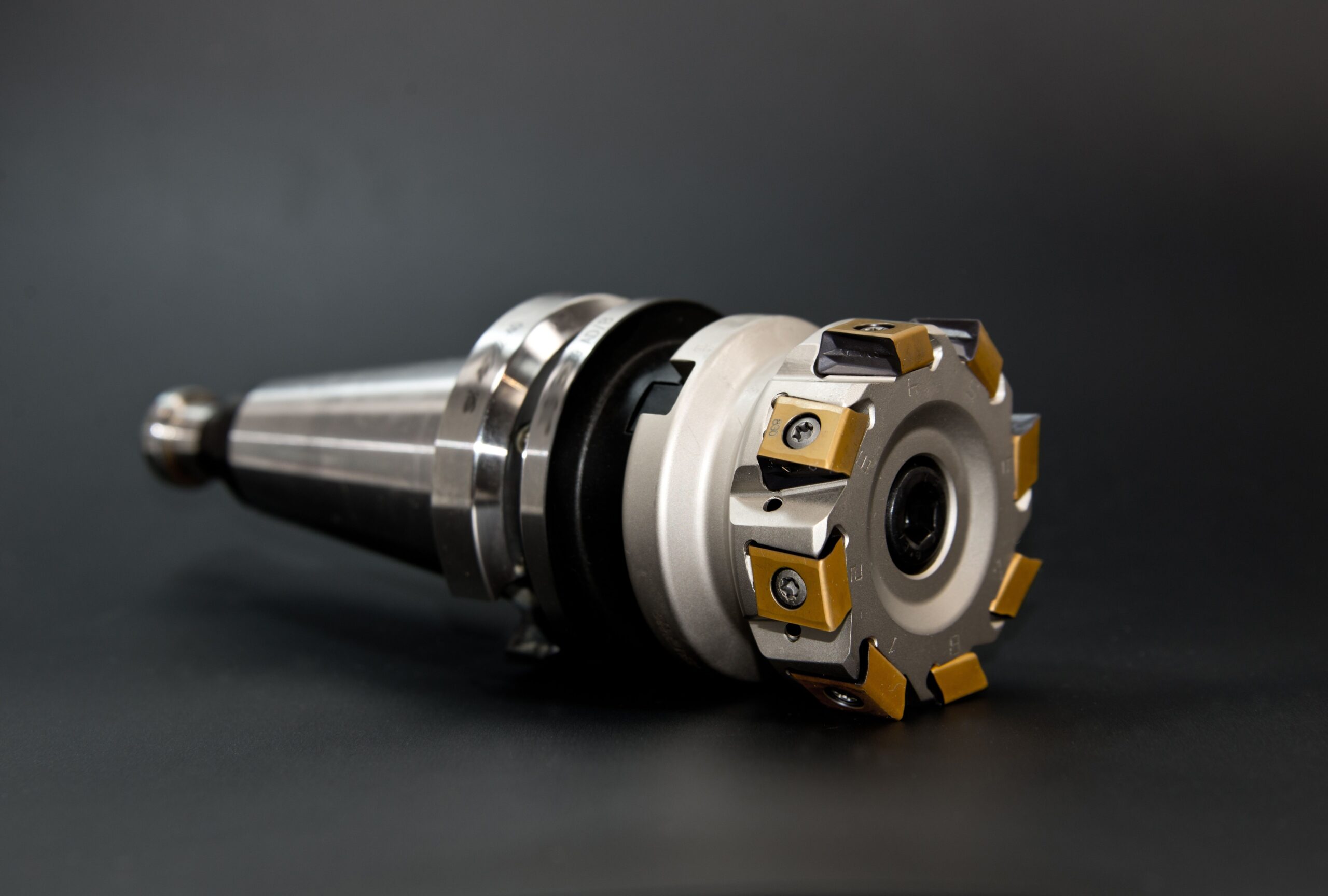
High-load machining operations place tremendous stress on metal cutting tools, especially when shaping deep holes or smoothing flat metal surfaces. During these heavy cutting cycles, intense friction and extreme heat can quickly degrade cutting edges, leading to premature tool failure and costly production delays. Machine shops must adopt smart tooling strategies to protect their equipment and keep manufacturing lines running efficiently. Extending the working life of cutting components keeps operational costs down while maintaining precise dimensions on every finished part.
Optimizing Cutting Speeds and Feed Rates
Running a machine tool too fast creates excessive heat that softens hard cutting edges and accelerates wear. Adjusting the cutting speed to match the specific metal being machined preserves the sharpness of the tool edge over long production runs.
Machinists can also fine-tune the rate at which the tool moves through the metal to prevent unnecessary stress. Finding the right balance between cutting speed and movement rate reduces force on the cutting edge while maintaining smooth material removal. Fine-tuning these operational parameters prevents sudden load spikes that often cause micro-fractures in delicate cutting inserts.
Managing Heat Build with Proper Coolant Application
Extreme heat generated during heavy cutting cycle operations can cause thermal cracking along the cutting edge of a tool. Applying high-pressure coolant directly to the cutting area flushes away hot metal chips and lowers overall temperatures instantly. Keeping the cutting zone cool prevents severe heat buildup that breaks down protective coatings on metal inserts.
Consistent coolant flow prevents rapid temperature swings that weaken internal tool structures over time. Proper fluid delivery also lubricates the contact area between the tool and the workpiece, reducing friction and extending component usability.
Ensuring Rigid Tool Setup and Workpiece Stability
Vibration during heavy cutting cycles acts like a hammer striking the delicate cutting edge repeatedly, causing chips and premature fractures. Securing the workpiece firmly to the machine bed eliminates subtle movements that ruin surface finishes and break tools.
Using short, sturdy tool holders decreases leverage forces that cause tool deflection and unwanted chatter during operation. Minimizing these erratic vibrations keeps the cutting edge fully engaged without micro-chipping under pressure.
High-performance components from tooling specialists like Koma Precision provide the necessary rigidity to dampen vibrations during heavy metal removal. Investing in solid, low-deflection tooling setups protects delicate cutting edges and preserves tight part tolerances. Choosing robust tooling configurations ultimately extends overall tool life while ensuring exceptional finish quality across every machining cycle.
Inspecting and Replacing Worn Inserts Early
Waiting for a cutting tool to fail completely often damages the main tool body and ruins the metal part being machined, making early intervention essential. Machine operators who regularly monitor tool surfaces for subtle signs of wear can replace inserts before catastrophic damage occurs, saving both time and raw materials. Establishing routine inspection schedules ensures that worn edges get replaced at predictable intervals during production. Ultimately, proactive insert replacement maintains consistent part measurements and protects expensive tool assemblies from unexpected destruction.
Maintaining Machine Spindle Alignment and Cleanliness
Dust, metal chips, and dried coolant residue inside the machine spindle can tilt tool holders slightly out of alignment. Even microscopic alignment errors concentrate all cutting forces onto a tiny area of the tool, causing rapid uneven wear.
Cleaning tool holders and spindle sockets regularly prevents debris from throwing off machining accuracy. Maintaining proper spindle alignment ensures that cutting forces spread evenly across the entire tool edge, maximizing component lifespan.
Conclusion
Extending tool life during demanding machining operations requires a combination of proper setup, careful heat management, and consistent maintenance habits. Machine shops that focus on stability, optimal cutting settings, and proactive tool care enjoy higher productivity and lower tooling expenses. Taking simple preventative measures protects valuable equipment while delivering precise, high-quality metal parts every single day.
