

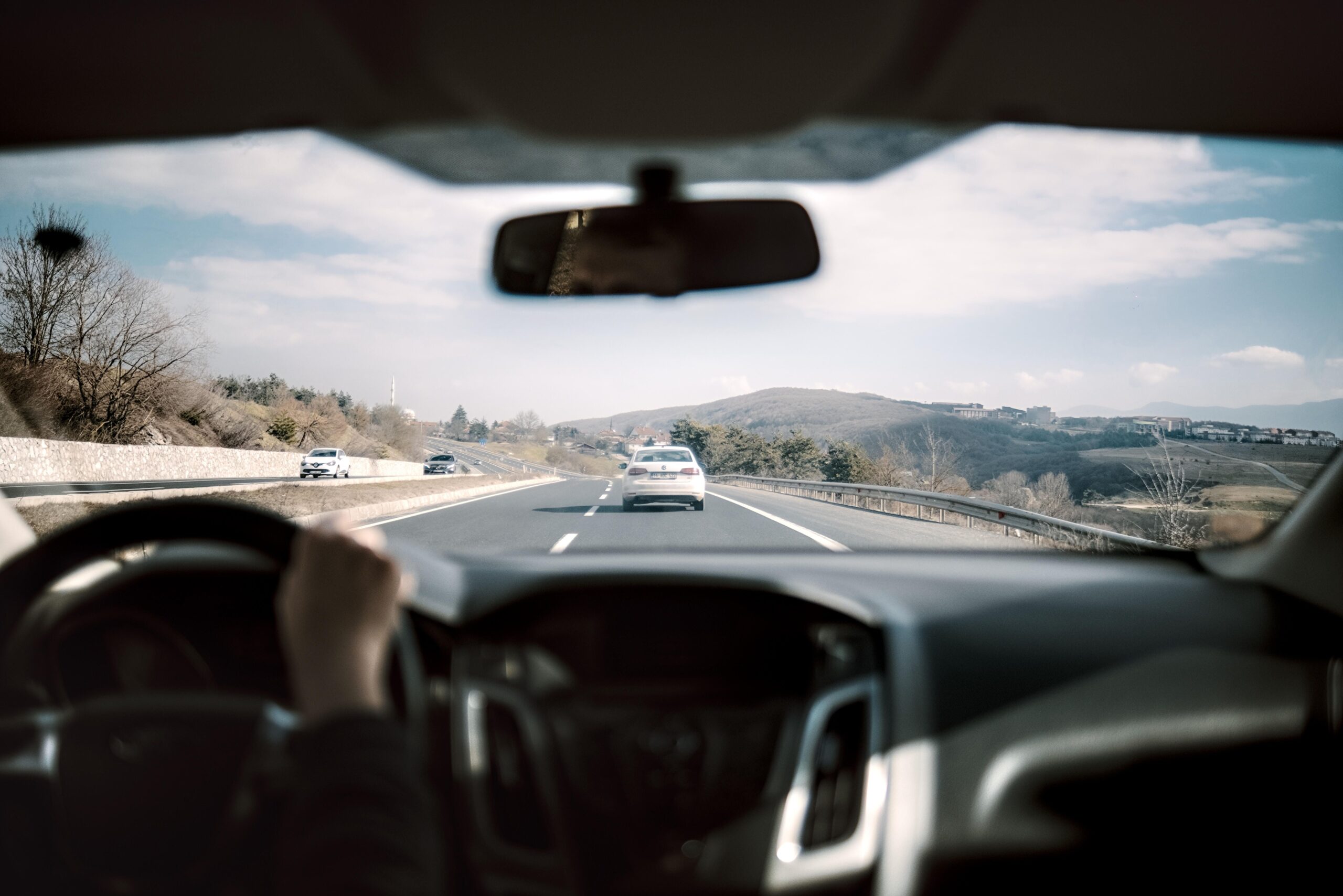
When a police officer pulls over a driver under suspicion of driving under the influence, video recordings often become the most crucial piece of evidence in the whole case. Patrol car cameras and officer vest cameras record every single interaction, capturing clear visual details and audio from start to finish. In many cases, these recordings provide an objective truth that can either confirm or directly challenge the written police report. Reviewing this video footage helps defense teams protect drivers from inaccurate accusations and unfair criminal charges.
Evaluating the Initial Reason for the Traffic Stop
Law enforcement officers must have a valid legal reason, known as reasonable suspicion, to pull over any vehicle on the road. Dashcam recordings show the exact driving behavior leading up to the stop, revealing whether a driver was actually swerving or violating traffic rules. Having a clear visual record of the vehicle’s movement makes it much easier to verify whether the officer’s initial observations were accurate.
If the video shows steady, law-abiding driving, a lawyer can argue that the officer lacked a lawful reason to initiate the stop in the first place. Demonstrating an improper traffic stop can lead to the court dismissing the entire case before trial even begins.
Reviewing Field Sobriety Testing Procedures
Officers frequently ask drivers to perform physical balance and coordination tests on the side of the road to check for impairment. Bodycam video captures every detail of how the officer explains the instructions and how the driver performs during these tricky balance tests.
Attorneys closely compare the video recording with the officer’s written claims to spot discrepancies or missed instructions. Reviewing this footage ensures that any mistakes made by the officer during the demonstration are brought to light.
Experienced legal teams like Fellers Law analyze these video recordings to prove that poor performance was caused by uneven pavement, bad weather, or nervousness rather than alcohol intake. Highlighting these external factors helps present a clear and fair picture of what actually happened during the stop.
Assessing Physical Appearance and Speech Patterns
Written arrest reports frequently describe drivers as having slurred speech, glassed-over eyes, or unsteady balance during the arrest. High-definition bodycam video provides an unbiased look at how a person actually communicated and moved during the entire encounter.
Clear audio recordings often prove that a driver spoke clearly and answered questions without hesitation or confusion. Showing that a driver was fully coherent and physically steady directly undermines the prosecution’s claim that the individual was visibly intoxicated behind the wheel. Presenting this undeniable audio proof can quickly change how a judge or jury views the driver’s state of mind during the encounter.
Verifying Proper Arrest Protocols and Driver Rights
Video recordings capture whether police officers followed correct legal procedures and treated the driver fairly during questioning, especially since officers are required to follow strict protocols when requesting breath tests and informing individuals of their rights. If bodycam footage shows an officer making procedural errors or failing to explain testing rights properly, that critical evidence can be formally challenged in court. Ultimately, uncovering these procedural mistakes often prevents prosecutors from using breath or blood test results against the driver, significantly weakening the state’s case.
Identifying Key Audio and Visual Gaps
Sometimes what is missing from police video footage is just as important as what is clearly shown on camera. Technical glitches, muted audio tracks, or missing video files can raise serious doubts about the reliability of the state’s evidence. Pointing out these gaps helps ensure that incomplete or tampered records are not used unfairly against the defense.
Courts expect law enforcement agencies to maintain continuous recordings throughout every traffic stop and arrest. When footage suddenly stops or key moments are missing, defense attorneys can question why critical evidence was not properly preserved for trial.
Conclusion
Dashcam and bodycam footage plays a vital role in building a strong defense against drunk driving allegations. These objective video recordings allow judges and juries to see the reality of a traffic stop rather than relying solely on memory. By carefully examining every second of available footage, defense attorneys can expose procedural errors, challenge false assumptions, and fight for a fair resolution. Utilizing video evidence remains one of the best ways to protect a driver’s rights and secure a positive outcome in court.
